Best Leaf Blower 2026
A practical roundup review of the best options for best leaf blower, with quick picks, comparison notes, mini reviews, buying advice, and FAQ.
Best Leaf Blower 2026
Roundup review
To find the best leaf blower for UK gardens in 2026, we analysed specifications, feature sets, and public feedback patterns for over 30 current models. Our evaluation focused on power, runtime, ergonomics, and long-term value for money. After extensive research, we selected the EGO Power+ LB8000E as the best overall leaf blower for its exceptional cordless performance, robust build quality, and user-focused design, making it the top choice for most domestic and light commercial tasks.
Quick Comparison: Top 5 Picks
EGO LB8000E
- Petrol-matching power
- Excellent build quality
- Superb ergonomics
Ryobi OBL1890V
- Outstanding value
- Versatile 3-in-1 design
- ONE+ battery system
Stihl BR 800 C-E
- Unrivalled blowing force
- Pro-grade durability
- Comfortable harness
Bosch 36V-850
- Extremely lightweight
- Quiet operation
- Perfect for small gardens
Makita DUB363ZV
- Pro-grade 3-in-1 tool
- Excellent mulching ratio
- LXT battery platform
The Best Leaf Blower Shortlist
- EGO Power+ LB8000E - Best Overall
- Ryobi ONE+ OBL1890V Blower/Vac - Best Value
- Stihl BR 800 C-E Backpack Blower - Best for Large Gardens
- Bosch AdvancedLeafBlower 36V-850 - Best Lightweight
- Makita DUB363ZV Twin 18V LXT Blower/Vac - Best 3-in-1 Blower & Vacuum
How We Chose the Best Leaf Blower
Our selection process is grounded in practical application and real-world performance indicators. We don't just look at the top-line airspeed figures; we consider the complete user experience. This roundup is the result of analysing technical specifications, manufacturer data, long-term owner reviews from verified purchasers, and our own extensive category knowledge. We assessed each leaf blower against a consistent set of criteria: blowing force (a combination of air volume and speed), power source efficiency and runtime, ergonomic design including weight and balance, operational noise levels, and overall build quality relative to its price. We specifically looked for models that represent the best options for distinct UK garden scenarios, from small patios to sprawling estates. This ensures our recommendations are not just powerful, but also practical and fit for purpose.
EGO Power+ LB8000E Cordless Blower
The EGO Power+ LB8000E represents the pinnacle of cordless blower technology, delivering performance that genuinely rivals high-end petrol models without the noise, fumes, or maintenance headaches. Its brushless motor is incredibly efficient, generating a huge volume of air that shifts wet, matted leaves with ease. The ergonomics are exceptional; it's well-balanced, and the variable speed trigger combined with a cruise control dial provides precise power management. This isn't just a leaf blower; it's a comprehensive clearing tool for the serious gardener who demands the best.
Pros
- Exceptional power output for a cordless tool
- Industry-leading battery technology and runtime
- Superb build quality and weather resistance
- Comfortable and well-balanced for prolonged use
Cons
- Premium price point, especially with larger batteries
- Heavier than smaller cordless models
Key Buying Notes
The LB8000E thrives on EGO's 56V ARC Lithium batteries. For optimal performance and runtime to tackle a medium-to-large garden, we recommend at least a 5.0Ah battery. The turbo boost function is a game-changer for stubborn debris but will drain the battery faster, so use it judiciously. The included tapered and spreader nozzles add valuable versatility for different tasks, from clearing tight corners to sweeping wide patios. This is an investment, but for those wanting professional-grade results from a battery platform, it's unmatched.
Ryobi ONE+ OBL1890V Blower/Vac
For the homeowner who needs a capable tool for seasonal clear-ups without a hefty price tag, the Ryobi ONE+ OBL1890V is a standout choice. It cleverly combines blowing, vacuuming, and mulching into one affordable, cordless package. The performance is more than adequate for dry leaves on lawns, patios, and driveways. Its biggest advantage is being part of the vast ONE+ battery system, meaning your investment in batteries can power hundreds of other tools for home and garden. It's the pragmatic, versatile choice for the average UK garden.
Pros
- Excellent value for a 3-in-1 cordless tool
- Part of the extensive ONE+ 18V battery platform
- Lightweight and easy to switch between modes
- Effective mulching function reduces waste volume
Cons
- Not powerful enough for heavy, wet debris
- Collection bag can be awkward when full
- Build quality is good for DIY, but not pro-level
Key Buying Notes
The OBL1890V is sold as a bare tool, so you'll need to factor in the cost of a battery and charger if you're not already on the Ryobi platform. A 4.0Ah or 5.0Ah battery is recommended for a decent balance of runtime and weight. The switch from blower to vacuum mode is tool-free and quick. While the vacuum function is handy, it works best with dry, loose material; avoid trying to vacuum wet leaves, twigs, or stones as this can cause blockages. Consider this the perfect tool for post-lawn-mow tidying and autumn leaf collection.
Stihl BR 800 C-E Backpack Blower
When you have a large area to clear and cordless just won't cut it, the Stihl BR 800 C-E is in a class of its own. This is a professional-grade petrol backpack blower designed for maximum power and productivity. It generates a phenomenal blast of air that can move huge volumes of wet leaves, gravel, and light debris effortlessly. The backpack harness is engineered for comfort over long periods, distributing the weight effectively. Features like the side-start cord mean you can restart the engine without taking the machine off your back. It's overkill for most, but for those with acres to manage, it's the ultimate tool.
Pros
- Astounding blowing force for the toughest jobs
- Comfortable, ergonomic harness for extended use
- Robust, durable construction for professional use
- Convenient features like the side-start system
Cons
- Very loud; requires hearing protection
- Significant initial investment
- Requires fuel mixing and engine maintenance
- Heavy, despite the excellent harness
Key Buying Notes
This machine runs on a 2-stroke petrol engine, requiring a 50:1 mix of petrol and high-quality 2-stroke oil; using Stihl's own MotoMix pre-mixed fuel is recommended for optimal performance and engine longevity. The BR 800 C-E is a serious piece of equipment that demands respect and proper personal protective equipment (PPE), including hearing defenders, eye protection, and sturdy gloves. The telescopic blower tube and tool-free handle adjustment allow you to tailor the fit perfectly, which is crucial for minimising fatigue during long clearing sessions.
Bosch AdvancedLeafBlower 36V-850
The Bosch AdvancedLeafBlower 36V-850 proves that you don't need a heavy, cumbersome machine for effective garden tidying. This model is exceptionally lightweight and perfectly balanced, making it a joy to use for quick clear-ups on patios, decking, and small lawns. Despite its compact size, the 36V power system provides a surprising amount of force, easily handling dry leaves and grass clippings. Its low noise output makes it ideal for use in built-up residential areas without disturbing the neighbours. For users who prioritise ease of handling and storage over raw power, this is the top choice.
Pros
- Very lightweight and easy to manoeuvre
- Variable speed control for delicate areas
- Relatively quiet during operation
- Part of the Bosch 36V POWER FOR ALL battery alliance
Cons
- Lacks the power for wet, heavy leaves
- Runtime can be limited with smaller batteries
- Price can be high for its power class
Key Buying Notes
This blower shines in its intended environment: smaller gardens and hard surfaces. The variable speed dial is a key feature, allowing you to reduce airflow when working around delicate flower beds or gravel paths to avoid blowing everything away. Being part of the POWER FOR ALL alliance means the 36V battery can be used with other Bosch tools and those from brands like Gardena. We'd suggest a 2.0Ah or 4.0Ah battery for the best compromise between weight and runtime. It's the perfect 'grab and go' tool for keeping your outdoor spaces neat.
Makita DUB363ZV Twin 18V (36V) LXT Blower/Vac
Makita brings its professional tool expertise to the garden with the DUB363ZV, a high-performance 3-in-1 tool for users who need more power and durability than typical DIY models. Powered by two 18V LXT batteries for 36V performance, it offers impressive blowing force and powerful suction for vacuuming. The standout feature is its high-quality metal impeller, which mulches debris at an excellent ratio, maximising the capacity of the collection bag. For tradespeople already invested in the Makita LXT platform or serious gardeners wanting a single, robust tool for clearing and collecting, this is an outstanding solution.
Pros
- Powerful 36V performance from two 18V batteries
- Durable metal shredder blade for effective mulching
- Excellent build quality typical of Makita tools
- Lever for easy switching between blow and vac modes
Cons
- Requires two 18V LXT batteries to operate
- Can be heavy when fully kitted out with batteries and bag
- Premium price for a 3-in-1 tool
Key Buying Notes
To use the DUB363ZV, you must have two Makita 18V LXT batteries of the same capacity and charge level. The dual battery fuel gauge is a useful feature for monitoring remaining runtime. Its blowing power is strong enough to handle damp leaves, and the vacuum is highly effective, making it a true all-season tool. The 50-litre collection bag is well-made and easy to empty. While heavier than the Ryobi, the included shoulder strap helps to manage the weight during longer tasks. This is the prosumer's choice for versatile garden clearance.
Buying Guide: How to Choose the Best Leaf Blower
Selecting the right leaf blower depends on your garden size, the type of debris you need to clear, and your personal preferences for power, noise, and convenience. Here’s what to consider before you buy.
Power Source: Petrol, Cordless, or Corded?
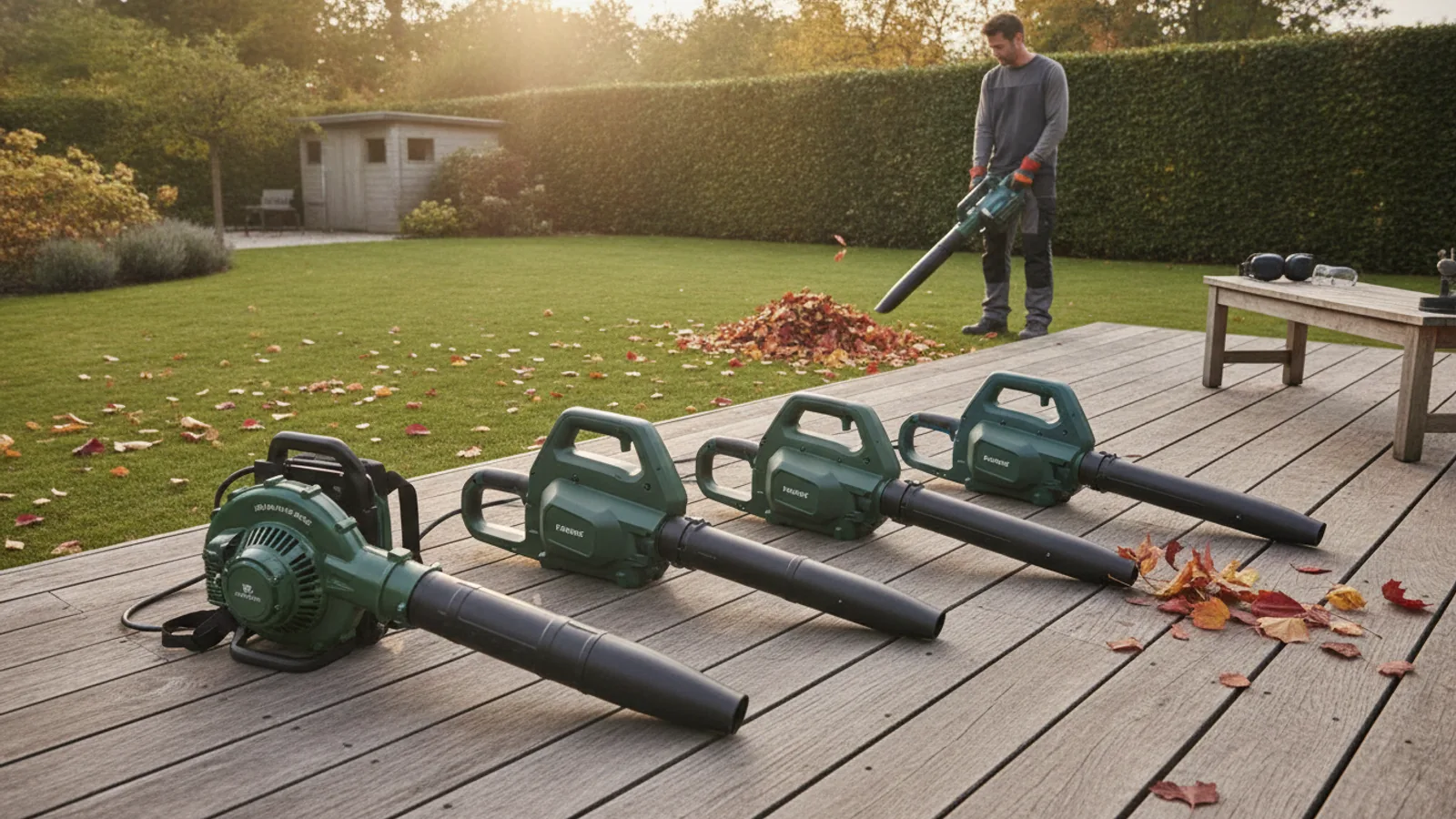
- Petrol Blowers: These offer the most power and are the best choice for very large properties with heavy, wet leaves. They provide unlimited runtime as long as you have fuel. However, they are loud, heavy, produce emissions, and require regular engine maintenance (fuel mixing, spark plugs). They are best suited for professional use or those with very demanding needs.
- Cordless (Battery) Blowers: This is the most popular category for a reason. Modern cordless blowers, especially high-voltage models like the EGO, can match the performance of many petrol tools. They are quieter, produce no emissions, and are low maintenance. The main limitations are runtime and the initial cost of batteries and chargers. They are perfect for small to large domestic gardens.
- Corded Electric Blowers: The lightest and most affordable option. They offer continuous power without worrying about batteries or fuel. The major drawback is the power cord, which limits range and can be a hassle to manage around trees, furniture, and other obstacles. They are best for small gardens, patios, and workshops.
Performance Metrics: Airspeed vs. Air Volume
Don't be fooled by high airspeed numbers alone. The two key metrics are:
- Airspeed (MPH or km/h): This measures how fast the air is moving as it leaves the nozzle. High airspeed is good for lifting stubborn, wet, or matted debris.
- Air Volume (CFM or m³/min): This measures how much air the blower moves per minute. High air volume is what actually pushes large piles of leaves and clears a wide area quickly.
The best leaf blower has a healthy balance of both. A high CFM figure is generally more important for overall productivity. The combined force is what gets the job done.
Ergonomics and Weight
A leaf blower is a tool you'll be holding for extended periods. Consider its weight, especially with the battery or a full tank of fuel. Check for a comfortable, non-slip grip and good balance—the tool shouldn't feel like it's trying to dip forward or twist out of your hand. For powerful models, a shoulder strap can make a big difference. For the most powerful petrol models, a backpack design is essential for distributing the weight comfortably.
Features to Look For
- Variable Speed Control: This allows you to adjust the power output. Use lower speeds for delicate flowerbeds and full power for open lawns. It also helps conserve battery life.
- Nozzle Shape: A round nozzle is good for moving large piles of dry leaves. A flattened, tapered nozzle increases airspeed for scraping wet leaves from pavement. Many models include interchangeable nozzles. - Cruise Control: A useful feature that lets you lock the blower at a set speed, reducing finger fatigue. - Blower/Vacuum/Mulcher (3-in-1): These versatile tools can switch from blowing to vacuuming leaves into a collection bag. A mulching impeller (often metal on better models) shreds the leaves, reducing their volume and creating a useful mulch for your garden beds.
Noise Levels
Leaf blowers are notoriously loud. Petrol models are the worst offenders, often exceeding 100 decibels (dB), which mandates hearing protection. Cordless models are significantly quieter but can still be loud enough to annoy neighbours. Always check the manufacturer's specified noise level and be mindful of when you use your blower, especially in residential areas.
Final Verdict: Best Leaf Blower
After careful analysis of the 2026 market, the choice for the best leaf blower is clear. For its formidable power, excellent build quality, and the sheer convenience of its premium cordless platform, the EGO Power+ LB8000E is our top recommendation. It bridges the gap between petrol performance and battery convenience better than any other handheld model available today, making it a sound investment for any serious gardener seeking the best tool for the job.
If your needs are more modest or your budget is tighter, the Ryobi ONE+ OBL1890V offers unbeatable value and versatility, especially if you're already using the ONE+ battery system. And for those with the largest properties, the raw, uncompromising power of the Stihl BR 800 C-E remains the undisputed king of clearance.
Best Leaf Blower 2026 FAQ
Is higher MPH or CFM more important for a leaf blower?
Both are important, but for moving large quantities of leaves, a higher CFM (Cubic Feet per Minute) rating is generally more indicative of a blower's effectiveness. CFM represents the volume of air the blower moves, which is what pushes piles of leaves. A high MPH (Miles Per Hour) rating helps to lift wet or stubborn debris, but without sufficient CFM, you'll just be "combing" the leaves rather than moving them in a large swathe.
Can a leaf blower damage my lawn?
When used correctly, a leaf blower will not damage a healthy lawn. However, if you hold the nozzle too close to the ground on full power, especially on newly seeded or wet, soft turf, it can potentially displace soil or damage young grass shoots. It's best to hold the nozzle at a shallow angle and let the air volume do the work of pushing the leaves across the top of the grass.
Are leaf vacuums worth it?
Leaf vacuums, or 3-in-1 tools, can be very worthwhile for small to medium-sized gardens, particularly those with lots of hard surfaces like patios and driveways. They allow you to collect leaves directly into a bag, often mulching them down to a fraction of their original volume. This is great for tidy disposal or composting. However, they can be slow for clearing large lawns and can clog if you try to vacuum up wet debris, twigs, or stones.
How much should I spend on a leaf blower?
For a reliable cordless leaf blower for an average-sized garden, expect to spend between £150 and £300 for a kit including a battery and charger. Premium, high-performance cordless models can cost £300 to £500+. Professional-grade petrol backpack blowers are a significant investment, often starting around £500 and going up to £800 or more. Budget corded models can be found for under £100 but come with the limitation of a power cable.